Are you missing one or more teeth? You may be wondering about your options. Dental implants are one of the most popular and long-lasting solutions available today. But before you book a free consultation, it helps to understand what your choices are and more importantly, which one is right for your specific situation. In this guide, we break it all down in simple terms so you can make the right choice for your smile.
At Manchester Dental, based in Urmston and serving patients across Manchester, Sale, Altrincham, Stretford, and surrounding areas, we offer expert implant free consultations. Our experienced team helps patients from Trafford, Salford, Worsley, and beyond find the right implant solution for their needs. Whether you are local or travelling from a nearby town, we are here to help you every step of the way.
What Are Dental Implants and How Do They Work?
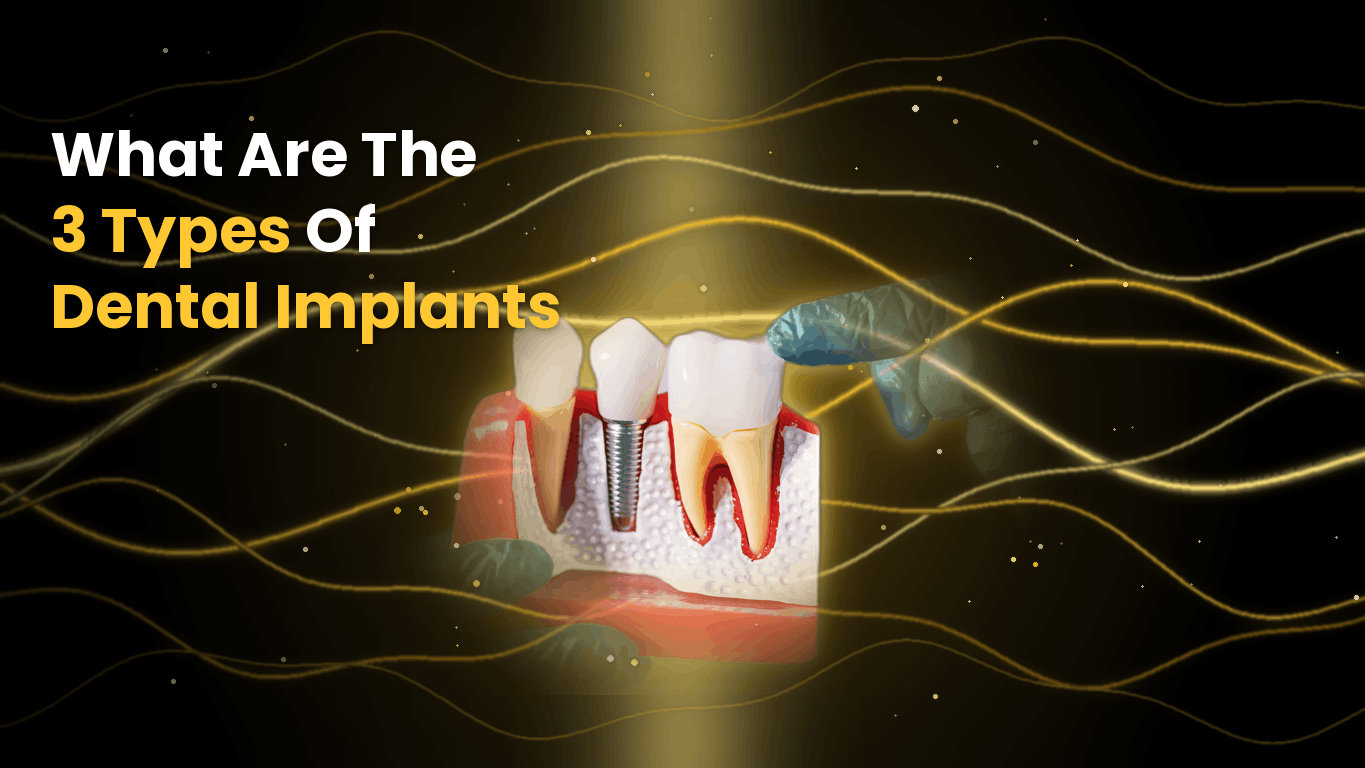
A dental implant is a small titanium post placed into or around the jaw structure to act as a replacement root for a missing tooth. Once it bonds with the bone, a crown or bridge is attached on top. The result looks and feels just like a natural tooth. Implants are strong, stable, and can last many years with good care.
Many patients in Manchester and nearby areas like Eccles, Irlam, Hale, and Wilmslow choose implants because they are the gold standard for replacing missing teeth. They do not slip like dentures. They do not require healthy neighbouring teeth to be filed down like bridges. Implants are a standalone solution that supports your natural bone structure too.
The 3 Main Types of Dental Implants Explained
The three main types of dental implants are endosteal implants, subperiosteal implants, and zygomatic implants. Each one works differently and suits different patients depending on their bone structure and dental needs. While all three have their place, not all options are equally advanced and for many patients with complex needs, one stands clearly above the rest.
1. Endosteal Implants – The Traditional Standard
Endosteal implants are the most widely used traditional type of dental implant. They are placed directly into the jawbone. The word ‘endosteal’ simply means ‘within the bone.’ A small titanium screw is inserted into the jaw, and a crown is placed on top once the bone heals around it through a process called osseointegration.
This type works well for patients with healthy, sufficient jawbone density. However, it is important to note that endosteal implants require a strong and healthy jawbone to succeed. If you have experienced bone loss — which is very common in patients who have been missing teeth for some time — endosteal implants may not be suitable without additional procedures such as bone grafting, which can significantly extend treatment time and cost.
2. Subperiosteal Implants – An Older Technique
Subperiosteal implants sit on top of the jawbone, just beneath the gum tissue. Unlike endosteal implants, they do not go into the bone. A metal frame is placed under the gum, and once it heals, posts are attached to hold replacement teeth.
This technique was more widely used in the past and is now considered an older approach. With advancements in modern implant dentistry — particularly the development of zygomatic implants — subperiosteal implants are used far less frequently today. Most patients who would previously have been offered this option are now better served by more advanced and reliable techniques. While they are still available in some cases, they are generally not considered the first-choice solution by today’s standards.
3. Zygomatic Implants – The Advanced Solution We Specialise In
Zygomatic implants are the most advanced type of dental implant available today, and a well-known specialist treatment that Manchester Dental is proud to offer.
Unlike standard implants that rely on the jawbone, zygomatic implants are anchored into the cheekbone (the zygoma) one of the strongest and most stable bones in the face. This makes them a highly effective solution for patients with severe upper jaw bone loss who have previously been told they are not suitable for traditional implants.
For many patients across Manchester and Greater Manchester, zygomatic implants have been life-changing. If you have struggled with bone loss, been turned away by other clinics, or have been using dentures for years, we encourage you to seek out the best dentist for your specific needs — and to explore whether zygomatic implants could be the answer you have been looking for.
Why zygomatic implants are the preferred choice for complex cases:
- No bone grafting required – treatment can often be completed without the need for lengthy bone graft procedures
- Faster overall treatment – patients can often receive a full set of fixed teeth much sooner than with traditional routes
- Highly stable and long-lasting – anchored in dense cheekbone for exceptional strength
- Suitable where others cannot help – ideal for patients with significant bone loss or failed previous implants
- Specialist-led procedure – carried out by our advanced implant team with dedicated training in zygomatic techniques
Not every dental clinic in Manchester offers zygomatic implants. It is a highly specialised procedure that requires significant expertise and advanced training. At Manchester Dental, we have invested in this expertise precisely because we know how many patients have been told there are no options left for them and we want to change that.
Which Type of Dental Implant Is Right for You?
The right implant depends on several factors including the health and density of your jawbone, how many teeth are missing, your overall health, and your goals. For patients with good bone health, a standard endosteal implant may be appropriate. But for patients with significant bone loss are far more common than many realise zygomatic implants often offer the best outcome with fewer procedures and faster results.
Patients from across Greater Manchester including Worsley, Stretford, Flixton, and Eccles visit us for expert implant advice. There is no one-size-fits-all answer, which is why a face-to-face consultation is essential. An X-ray or CT scan will be taken to assess your bone levels and plan the most suitable treatment for your individual needs.
Same Day Implants
Alongside the traditional types, many patients now ask about same day implants. This is a modern procedure where all your teeth are removed, the implants are placed, and a full set of teeth is fitted all in just one visit. It is a life-changing treatment for people who have been struggling with failing or missing teeth for years.
Same day implants can be delivered using either endosteal or zygomatic techniques depending on your bone structure. Zygomatic implants are particularly well-suited to same day treatment for patients with upper jaw bone loss, as they avoid the need for bone grafting and allow immediate placement. Recovery time is minimal compared to multiple separate procedures, making this a very popular choice for busy patients across Manchester.
Summing Up
So, what are the 3 types of dental implants? To recap: endosteal implants are the traditional option for patients with healthy bone; subperiosteal implants are an older technique now largely replaced by more advanced solutions; and zygomatic implants are the modern, specialist option that Manchester Dental is proud to offer particularly for patients with significant bone loss or those who have been told standard implants are not suitable for them.
If you are based in Manchester, Urmston, Sale, Altrincham, or any nearby area and want to find out whether zygomatic implants could be the right solution for you, we are here to help. We offer free consultations, flexible 0% finance options, and a specialist team dedicated to giving you the smile you deserve. Book your free consultation today by calling 0161 748 2674 or visiting us at 154 Flixton Road, Urmston, Manchester, M41 5BG.
FAQs
What are the 3 types of dental implants in simple terms?
The three types are endosteal (placed in the bone), subperiosteal (an older technique placed on the bone under the gum), and zygomatic implants (anchored in the cheekbone for patients with bone loss). Manchester Dental specialises in zygomatic implants.
Are dental implants painful?
Most patients find it much more comfortable than expected. Local anaesthetic is used throughout, and any mild soreness afterwards is easily managed with over-the-counter pain relief.
How long do dental implants last?
With good care, implants can last 15 to 25 years or longer. The crown on top may need replacing after 10 to 15 years due to general wear and tear.
Can anyone get dental implants?
Most healthy adults are suitable for some form of implant. Patients with bone loss who cannot have standard implants may still be ideal candidates for zygomatic implants. A free consultation will confirm the best option for you.
How much do dental implants cost in Manchester?
Cost depends on the type of implant and your individual treatment plan. Flexible 0% finance options are available. Call us or visit our website for a personalised quote.
What makes zygomatic implants different from standard implants?
Standard implants need healthy jawbone to work. Zygomatic implants anchor into the cheekbone, so bone loss is no longer a barrier. No bone grafting is usually needed, and treatment is often faster.
What is the difference between same day implants and traditional implants?
Traditional implants are completed over several months. Same day implants let you leave with a full set of fixed teeth in a single appointment making them ideal for patients wanting immediate results.